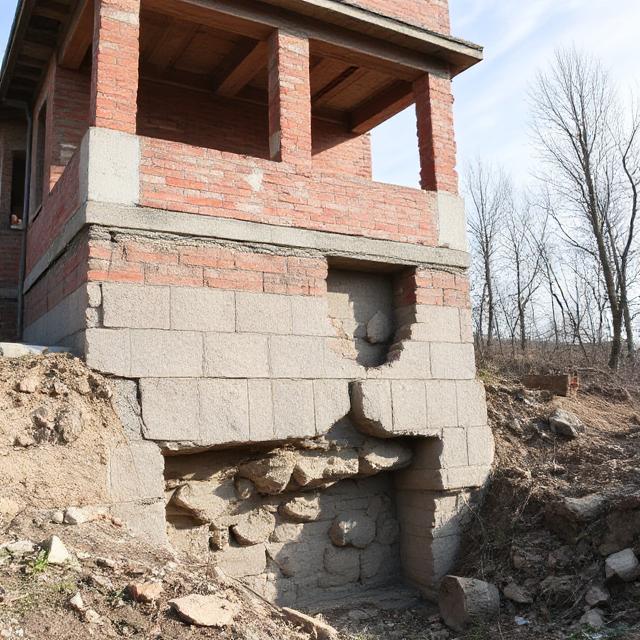
1.3 Foundation Destroyed
Psalm 11:3 “If the Foundation be destroyed, what can the Righteous do?”– In Psalm 11:3, David asks the rhetorical question, highlighting the chaos and destruction that can occur when the Foundations of the Kingdom and Society are undermined. Psalm 11:3 can be seen as a reference to the deeds of King Saul and Absalom, David’s son, who undermined David’s authority and threatened his life.
First, “the Foundations” refer to the moral, social, and spiritual underpinnings of the Davidic Kingdom. When these “Foundations” are destroyed, it can lead to:
- Moral Decay: The breakdown of moral principles and values.
- Social unrest: The erosion of social cohesion and stability.
- Spiritual Darkness: The rejection of God’s Truth and Principles.
Foundation, in the more general sense, it speaks to the ruin the Society will face when the most basic aspects of godliness are removed. David knew what would happen if the Enemy triumphed. Because he was Israel’s King, if the Enemy succeeded, the Nation’s very Foundations would be destroyed.
Second, David’s Question, “What can the righteous do?” emphasizes the sense of helplessness and despair that can come when the Foundations are destroyed. David, the Psalmist’s intention is not to leave the Believers in the state of hopelessness. Rather, he is setting the stage for the affirmation of God’s Presence and Justice that follows in Psalm 11:4 “The LORD is in His holy temple, the LORD’s throne is in heaven; His eyes behold, His eyelids test the sons of men.”
Third, God had abandoned Saul as King (1Samuel 13:14; 1Samuel 15:28; 1Samuel 16:14; 1Chronicles 10:13-14), even though, Saul was still King of Israel until his death (1Samuel chapter 31). Absalom had never been chosen as King, and both men (Saul & Absalom) weakened the Foundations of the Divine Government in the Nation of Israel.
Fourth, David was God’s appointed King over the Nation of Israel (1Samuel 16:13a; 2Samuel 5:3-5; 1Chronicles 11:3), so anything that attacked him (David) personally would shake the very Foundations of the Nation of Israel.
- Psalm 11:3, the “Foundations” that are being destroyed refer to the stability and security of David’s Kingdom, which was being undermined by the actions of Saul and Absalom.
- Saul’s jealousy and attempts to kill David (1 Samuel 18-31) and Absalom’s rebellion against David (2 Samuel chapters 15 to 18) were both attempts to destroy the Foundations of David’s Kingdom and undermine his authority.
- David’s Question, “If the foundations are destroyed, what can the righteous do?” Is the heartfelt cry of despair and frustration in the face of these challenges.
However, as we will see in Psalm 11:4, David’s Faith and Trust in God’s Sovereignty and Justice ultimately give him confidence and hope, even in the midst of these challenges.
Fifth, Arno C. Gaebelein called this “the burning question of our day” (“The Book of Psalm: A Devotional and Prophetic Commentary,” (Neptune, N.Y:Loizeaux. 1965, pg.57):
- What shall we do when the Laws are not upheld?
- What shall we do when Morality is undermined?
- What shall we do when Evil sweeps on unchecked?
- What shall we do when the Bible is undermined, and its teachings disregarded – when even Churchmen seem to support the rising tide of Secularism?
- What shall we do when Family Values are crumbling, and the tide of frequent divorce sweeps forward with increasing damage to Children, Parents, and Society alike?
- What can we do when everything around us seems to be giving way?
It is in such a time as this that the Leaders must Stand – Ephesians 6:18 “Praying always with all Prayer and Supplication in the Spirit and Watching thereunto with all perseverance and supplication for all Saints.” Some counsel “hiding,” that is, running away from what is happening.
Sixth, David’s response was to take refuge in the LORD (Psalm 11:1). It is this – what it means and how it is done – that we must take hold of in Psalm 11. Each Generation must see to it that the Foundation (Family, Church & Nation) that have been laid are inspected and uphold, for example:
- Samuel laid the Foundations of the Covenant (1Samuel 12).
- Ezra laid the Foundation of the Temple (Ezra 3).
- Nehemiah laid the Foundation of the Walls of Jerusalem (Nehemiah 2:9-7:73).
This is demonstrated in Apostle Paul in the face of difficulty: “And many of the brethren in the Lord, waxing confident by my bonds, are much bolder to speak the Word without fear” (Philippians 1:14). Leaders must stand in the time of crisis in order to encourage Others to move on in life.
1.4 God’s Sovereignty
Psalm 11:4 “The LORD is in His holy temple, the LORD’s throne is in heaven; His eyes behold, His eyelids try (test) the sons (children) of men.” – Psalm 11:4 is the powerful affirmation of God’s Presence and Sovereignty. David, in Psalm 11:4 begins the description of God, the Person who David (and the Believers) trusts.
1.4.1 God’s Presence & Authority
Psalm 11:4a “The LORD is in His Holy Temple,” is the Profound Statement of God’s Presence and Authority with Several Implications:
- God’s Presence: The Temple represents God’s Dwelling Place among His People (Exodus 25:8). This statement affirms that God is actively present and engaged with His People.
- God’s Authority: The Temple is also the symbol of God’s Authority and Sovereignty. By saying that God is in His Holy Temple, David acknowledges God’s Supreme Authority over all Creation.
- God’s Judgment: In the Old Testament, the temple was also associated with God’s judgment and justice. This phrase may imply that God is watching and judging the actions of humanity from His holy temple.
- God’s Protection: For David, the fact that God is in His Holy Temple is the Source of Comfort and Protection. It means that God is actively watching over and protecting His People.
Psalm 11:4a “The LORD is in His Holy Temple,” in essence, David’s declaration, is an encouragement and the reminder to the Believer:
- God is always present and actively engaged with His People.
- God’s Authority and Sovereignty reign Supreme.
- God Judges and Evaluates Human Attitudes and Actions.
- God Protects and Watches over HisPpeople.
Psalm 11:4a “The LORD is in His Holy Temple,” is the Powerful Reminder of God’s Presence and Authority!
1.4.2 God’s Transcedence
Psalm 11:4b “The LORD’s throne is in heaven,” is David’s affirmation of God’s Sovereignty and Transcendence, with several implications:
- God’s Sovereignty: God’s Throne represents God’s Royal Authority and Dominion over all Creation. This Statement: “The LORD’s throne is in heaven,” affirms that God is the Supreme Ruler of the Universe.
- God’s Transcendence (Divine Existence): The fact that God’s Throne is in Heaven emphasizes His Transcendence, or His Existence beyond the physical realm. God is not limited by space or time.
- God’s Omniscience: God, from His Throne in Heaven, He has the complete and perfect view of all Creation.
- God sees everything, knows everything, and understands everything.
- God’s Judgment and Justice: God’s Throne in Heaven is also the symbol of God’s Judgment and Justice.
- From His Throne, God evaluates Human attitudes and actions and renders judgment, accordingly.
In Essence, Psalm 11:4b “The LORD’s throne is in heaven,” teaches and reminds the Believers that:
- God is the Supreme Ruler over ALL Creation.
- God Exists beyond the physical realm and is not limited by space or time.
- God has complete Knowledge and Understanding of all Creation.
- God Judges and Evaluates Human attitudes and actions from His Throne in Heaven.
1.4.3 The Lord
The Name “the LORD” (Yahweh in Hebrew) is mentioned 5 times in Psalm 11 (vs. 1, 4 {twice}, 5, 7), highlights several significant facts of the use of the Name “The LORD” (Yahweh in Hebrew), has significant Covenantal Implications.
First, in the Old Testament, the Name “Yahweh” (LORD)” is closely tied to God’s Covenant Relationship with His People. This Name “Yahweh” (LORD)” is first introduced in Exodus 3:14-15, where God reveals Himself to Moses as the God of the Covenant.
Second, the Use of “The LORD,” in Psalm 11 (5 times) invokes this Covenantal context, reminding David and the Believer of:
- God’s Covenant Promises: The Name “The LORD,” recalls God’s Promises to His People, including His Promise to Protect, provide for, and be Present with them.
- God’s Faithfulness: The repetition (5 times = Grace) of “The LORD,” emphasizes God’s Faithfulness to His Covenant Promises, even in the face of wickedness and chaos.
- David’s (Believers’) Covenant Relationship: David, as the King of Israel (1Samuel 16:13; 2Samuel 5:3-5; 1Chronicles 11:3), David is reminded of his (Believer’s) own Covenant Relationship with God, which is rooted in God’s Promises to Abraham, Isaac, and Jacob.
By Using the Name “The LORD,” in Psalm 11, David, affirms his (David’s/Believer’s) trust in God’s Covenant Promises.
- Invokes God’s Faithfulness to His People.
- Reminds himself (David & Believer) and others of their Covenant Relationship with God.
The Covenantal Significance of “The LORD,” in Psalm 11 adds depth and richness to our understanding of this Psalm, highlighting the importance of God’s Covenant Promises and Faithfulness in the life of David and the Believers.
Third, Biblical Numerology – The Name “The LORD,” (Yahweh in Hebrew), mentioned 5 times in Psalm 11 (Vs. 1, 4 {twice}, 5, 7) highlights several significant facts in Biblical Numerology.
- Number 5 in Biblical Numerology, is often associated with God’s Grace, Favour, and Goodness.
- Biblical Interpretation – While this interpretation is not universally accepted, it is a common theme in biblical studies.
- Given the Context of Psalm 11, where David is trusting in God’s Presence, Sovereignty, and Covenant Faithfulness, the fivefold mention of “The LORD,” could indeed be seen as emphasizing God’s Grace.
Here are some possible ways to understand the significance of the “Number 5: in the context of Psalm 11:
- Fivefold emphasis on God’s Grace: The repetition of “The LORD,” five times might underscore the abundance of God’s Grace, which is available to David and all Believers.
- Completeness and Perfection: In Biblical Numerology, the Number 5 is associated with
- The Cross (Five wounds on Jesus).
- Atonement (“It is Finished” – John 19:30).
- Life (Jesus, completed work on Calvary Cross is “the Way, the Truth and the Life – John 14:6).
Thus, the 5 mentions of “The LORD,” could symbolize the completeness of God’s Grace or the Perfection of His Redemptive Work on the Cross.
- Representation of God’s Covenant Faithfulness: The “Number 5” might also represent the Five Books of the Torah (Genesis to Deuteronomy), which contain the Covenant Promises and Laws given to Israel.
- The 5 mentions of “The LORD,” could reinforce God’s Faithfulness to His (God’s) Covenant Promises.
While Biblical Numerology interpretation is intriguing, it is essential to remember that Biblical Numerology is not an exact science, and different Scholars may have varying opinions on the use and significance of Numbers in Scripture. Therefore, it is important, that we should not be dogmatic over the use of Biblical Numerology, nevertheless, it is one of the important “Keys” of Biblical Interpretation.
In the Context of Psalm 11, the 5 mentions of “The LORD,” undoubtedly emphasizes God’s Presence, Sovereignty, and Covenant Faithfulness, which are all Aspects of His (God’s) Gracious Character.
- Emphasis on God’s Sovereignty: The frequent use of God’s Personal Name, “The LORD,” underscores His Sovereignty, Power, and Authority over All Creation.
- Intimacy and Personal Relationship: The use of “The LORD,” instead of other Titles or Names for God emphasizes David’s (Believers’) Personal relationship with Him. It is the term of Endearment and Intimacy.
- Contrast with Human Wickedness: The repetition of “The LORD,” serves as the stark contrast to the Wickedness and Chaos described in the Psalm 11. It highlights God’s Holiness, Justice, and Righteousness.
- Declaration of Trust and Faith: David’s (Believer’s) repeated use of “The LORD,” is the declaration of his (David’s/Believer’s) trust and faith in God’s Power, Protection, and Provision.
- Reminder of God’s Covenant Faithfulness: The Name “The LORD,” (Yahweh) is often associated with God’s Covenant Faithfulness and Promises to His People.
- David’s (and Believer’s) repetition of the Name “The LORD,” serves as the reminder of God’s Faithfulness and Commitment to His People.
Psalm 11, by emphasizing the Name “The LORD,” throughout Psalm 11, David affirms his trust in God’s Sovereignty, Intimacy, and Faithfulness, even in the face of Wickedness and Chaos.
Fourth, God, the Numberer – God is the Numberer as He has stamped His Numerical Seal upon the whole Creation (Daniel 8:13, margin “Palomoni” = The Numberer {God}of Secret” or “The Wonderful Numberer {God}).
- The Bible suggests that God is “the Divine Numberer,” who has stamped His Numerical Seal upon the whole creation. This idea is rooted in various Biblical Passages, including:
- Daniel 8:13 (margin): The marginal note in some Bibles reads “Palmoni = The Numberer of Secret” or “the Wonderful Numberer {God}.” This Phrase implies that God is the Person who assigns “Numbers” and meaning to all things.
- Psalm 147:4-5: These verses describe God’s Omniscience and Omnipotence, stating that He (God) “determines the Number of the stars and calls them each by Name” (Psalm 147:4).
- This passage highlights God’s Attention to detail and His ability to assign Numbers and Names to all Creation.
- Matthew 10:29-30: Jesus teaches that God’s Providence extends to even the smallest details, including the numbering of hairs on our heads.
- This passage emphasizes God’s Sovereignty and Care for His Creation.
Fifth, the Concept of God as the Divine Numberer suggests, as in Daniel 8:13, margin “Palomoni” = The Numberer {God}of Secret” or “The Wonderful Numberer {God}:
- God is the Source of Order and Structure: Numbers and Patterns are integral to the fabric of Creation, reflecting God’s Wisdom and Design.
- God’s Sovereignty extends to all aspects of Creation: As the Divine Numberer, God’s Authority and Providence encompass every detail, from the vast expanse of the Universe to the intricate workings of Human Life.
- God’s Numerical Seal is the testament to His Wisdom and Power: The Numerical Patterns and Codes embedded in Creation serve as the Reminder of God’s Infinite Wisdom, Power, and Creativity.
While this concept that “God is the Divine Numberer,” is not exhaustively explored in Scripture, it is a fascinating aspect of God’s Nature and Creation.
1.4.4 God is Observant
God is Observant – Psalm 11:4c “His (God’s) eyes behold, His eyelids test the sons of men.” Psalm 11:4c declares that God is “Sharp-eyed,” highlights two Aspects of God’s Nature:
- His (God’s) Eyes Behold: This Phrase: “His (God’s) eyes behold” (Psalm 11:4c), emphasizes God’s All-Seeing Nature. His eyes are constantly watching, observing, and taking in all that happens in the world.
- All-Knowing: God’s Omniscience means “He (God) has complete Knowledge of all things, past, present, and future.”
God Observes – Psalm 11:4b “His (God’s) Eyes behold, His Eyelids try (test) the children of men.” – God observes what the People do – When the Person closely scrutinising a thing, he drops his eyelids and half closes his eyes.
- The LORD currently is watching over David (and the Believers), and all men.
- God Examines – When it says: “His eyelids try (test) the children of men,” it means God tries or examines all People and all their deeds, good and bad.
- God’s Discerning Eyes tried both the Righteous and the Wicked, approving the One (Righteous) and rejecting the Other (Wicked).
Proverbs 15:3 “The Eyes of the LORD are in every place, beholding the Evil and the Good.” When David speaks of God observing People, he is reminding himself of God’s Omniscience.
- Assurance – This is reassuring as in Psalm 11:2 “For, lo, the Wicked bend their bow, they make ready their arrow upon the string, that they may privily (literally, “in darkness,” secretly) shoot at the Upright in heart.”
- The Wicked hide so that they might not be seen or known. But although the Righteous may not see the Wicked, the All-Seeing God sees them.
- The Wicked intent and deeds are as apparent to Him as if they were performed in bright daylight.
Psalm 11:4c “His (God’s) eyes behold, His eyelids test the sons of men,” affirms God’s Discernment:
- His (God’s) Eyelids Test: This Phrase: “His eyelids test the sons of men” (Psalm 11:4c), suggests that God not only Sees all things but also Evaluates and Discerns the motivations, intentions, and actions of Humanity.
Discerning Hearts: God’s Discernment penetrates beyond outward
Psalm 11:4c “His (God’s) eyes behold, His eyelids test the sons of men.” Declares and reminds the Believers that:
- God Sees Everything: Believers cannot hide from God’s All-Seeing Eyes.
- God Evaluates our Attitudes and Actions: Psalm 11:4c affirms that the Believers’ actions, motivations, and intentions are subject to God’s Discernment.
- God’s Judgment is Fair: Because God sees and knows all things, His Judgment is always Fair, Just, and Righteous.
Psalm 11:4c “His (God’s) eyes behold, His eyelids test the sons of men,” the profound description of God’s Nature encourages us to:
- Live with Integrity: Knowing that God sees and evaluates all things, we should strive to live with integrity, honesty, and transparency.
- Fear (Reverence) God: Recognizing God’s Omniscience and Discernment should inspire the healthy Fear of God, leading us to reverence and worship Him.
- Trust in God’s Justice: Because God’s Judgment is fair and just, we can trust that He will ultimately vindicate the Righteous and punish the Wicked.
The Summary of Psalm 11:4 “The LORD is in His holy temple, the LORD’s throne is in heaven; His eyes behold, His eyelids try (test) the sons (children) of men.”
- The feverish (agitated) scene of Psalm 11:1-3 is overtaken by the LORD’s Presence – Psalm 11:4a “The LORD is in His holy temple; the LORD’s throne is in heaven.” Whose Name here is emphatic and reiterated. Remember that God is still on the Throne (Psalm 11:4b).
- The LORD is in Residence, not in Flight: His (God’s) City “has Foundation” (Hebrews 11:10), therefore, the question of Psalm 11:3 “If the Foundation be destroyed, what can the Righteous do?” Can be met without despair:
- Temple (or Palace; it is the same word) is not an earthly building, as Psalm 11:4b indicates – “The LORD’s Throne is in Heaven.”
- God’s Throne is the Place from which God, the Judge of the Earth renders Judgement.
 Morning Dew . Life