Tag: Psalms

Godly Person & Ungodly Person (Psalm 1:1-6) (Part 1)

1.0 The Statement

The Book of Psalms is appropriate for the times we are living in because it relates the experiences of Believers from the past, reflecting the emotional happiness, upsets, problems, disturbances, and distress that Saints of old have gone through.

  • Psalms are wonderful for helping us to cope with our emotional pressures. There is no Book like Psalms to meet the heart when it is discouraged or feels a sense of defeat, or when it is elated and encouraged.
  • Psalms are absolutely without peer in expressing these feelings and are helpful in teaching us how to find our way through our manifold problems and joys.
  • Psalms simply recount what various men and women from the past have experienced and the reality of God in their situations and lives.

Psalm One has no Superscription and Title. The Writer of Psalm One is unknown, but most Expositors attribute Psalm One to David.  Psalm One, like our Lord’s Sermon on the Mount, begins with a Beatitude (“blessed”). Although not specifically written as an introduction to the whole collection of the Book of Psalms, the First Psalm provides the basis for all the Psalms to follow:

  1. Psalm One may be regarded as “The Preface (Forward) Psalm” and fills the Place of Prologue (Introduction) to the whole Book of Psalms.
  2. Psalm One deals with the theme close to the heart of the Psalmists. Psalm One compares the happiness of being found in the LORD with the sadness of those who do not know Him.
  3. Psalm One deals with the alternative Character of man (Righteous or Ungodly {Wicked}) – displayed in alternative modes of Conduct (Godliness or Ungodliness) and resulting in alternative Destinies (Tree or Chaff).
  4. Psalm One describes both the God-centred life (Psalm 1:1-3) and the Self-centred life (Psalm 1:4-5). With God’s Mandate summed up in Psalm 1:6.
  5. The Self-centred Life (Psalm 1:4-5) is termed as “the Ungodly {Wicked}” (Psalm 1:4-5). The term “Ungodly {Wicked}” means the Person who has little or no regards for God in his life. The Person who has ruled God out of his affairs and his thinking – Psalm 14:1 & Psalm 53:1, “The Fool declares that there is no God.”
  6. Psalm One is a sort of “Creed,” an assertion of the blessedness of the Righteous Person and the Faith that God will see him through, as Psalm 1:6 reveals.
  7. Psalm One is considered as “The Door-Keeper,” the Entrance into the 150 Psalms.
  8. Psalm One is “Yahwistic Psalter.” The Hebrew Divine Name “Yahweh (LORD) occurs 272 times in the First Book of Psalms (Psalm 1 to 41), while “Elohim (God)” occurs only 15 times. 
  9. The Second Book of Psalms (Psalm 42 to72) is “Elohistic Psalter.” The Name “Elohim (God)” occurs 164 times in the Second Book of Psalms, whereas “Yahweh (LORD)” occurs only 30 times.
  10. Psalm One has a Chiastic Structure (Chiastic means that the first and last themes or ideas reflect each other, and the middle ideas reflect each other – ABBA).
    • Two Men – The Godly (Righteous) Person and the Ungodly (Unrighteous) Person.
    • Two Ways – The Way of the Godly Person and the Way of the Ungodly Person.
    • Two Destinies – Blessing to the Godly and judgement to the Ungodly.
    • Two Agricultural terms used – Fruit-bearing man and Chaff-like man.
  11. Psalm One is called “The Psalm of Congratulations,” for the Psalmist regards the Righteous Person whom Psalm One describes as Person who has great reason for gladness, and who therefore may be fittingly congratulated.
  12. Psalm One opens with the Benediction “Blessed,” even as did the Sermon on the Mount (Matthew chapters 5 to 7). The original term “blessed” is plural, literally, “blessings are the man,” the multiplicity of the blessings which shall rest upon the Righteous Person whom God blesses.

1.1 The Text

Psalm 1:1 “Blessed is the man who walks not in the counsel of the ungodly, nor stands in the path of the Sinner, nor sits in the seat of the Scornful.

1.1.1 The Blessed

Psalm 1:1a “Blessed is the man….” – The Hebrew word for “blessed” (esher), is the form of the Hebrew word “ashar,” which in its root means: “To be straight” or “to be right.”

  • Blessed – Thus, it can say that “the Righteous Person” (Psalm 1:6a) is “the Blessed Person” (Psalm 1:1a).
  • Blessed speaks of the Person who has “contentment in life,” whose life is “right” or “straight” with God and Man, in his relationship.
  • Blessed, in the Hebrew, the word “blessed,” is in the plural, which denotes “the multiplicity of blessings or an intensification of them.” (Boice).

Blessedness brings “joyfulness {God’s Strength – Nehemiah 8:10},  and a fulfilled life.” The Righteous Person does three things:

1.1.2  Walks Not

Psalm 1:1a “Blessed is the man that walks not in the Counsel of the Ungodly. – The Righteous Person “Walks not in the Counsel of the Ungodly.”

Walk – The term “Walk” is the reference to the decisions/Agreements that must be makes all day-long. – Amos 3:3 “Can two walks together, unless they are agreed {an agreement reached through compromise}?”  Person takes steps throughout the day, making decisions in the face of all types of situations/matters. “Walking is taking a series of steps of decisions.” Walk = Pursue (Jeremiah 7:24), is a reference to the decisions that must be made all day long.

The Ungodly is characterised with the attitude of: “Melancholy {miserable), ingratitude (ungratefulness), complaining, envy, jealousy and anger,” are just a few. The longer the bad attitude goes unchecked, the deeper rooted it will become. 

We all know how it is. We take steps throughout each day, making decisions on all kinds of matters/issues:

  • For Counsel, a Christian is encouraged to seek the Counsel of the Elders (Proverbs 11:14; Proverbs 15:22; Proverbs 24:6), not that he cannot seek other avenues of Counselling.
  • The Warning of taking the wrong Counsel is given in (Isaiah 30:1-3).
  • Rehoboam accepted the Counsel of the young men and rejected the Counsel of the elderly men (1Kings 12:8,13), resulting in the split of the Kingdom of Israel into Judah (2 Tribes – Southern Kingdom) & Israel (Ten Tribes – Northern Kingdom)
  • Absalom received the Ungodly Counsel of Ahithopiel (2Samuel15:31; 2Samuel 17:14) and usurped his father, David’s Kingdom.
  • Israel – The backslidden Nation of Israel was a Nation void of Godly Counsel (Deuteronomy 32:28). The LORD is “The Counsellor” (Isaiah 9:6), but Israel seeks not.

The Man (the word “haish” is emphatic – that man) walks in the Commandments of the LORD. His footsteps are ordered by God’s Word {Scripture} and not by the ways of the Carnal Man. He is the Righteous Person (Man – Psalm 1:6a).

  • Righteous Person is known by the Company he keeps/avoids: “He that walks with wise men shall be wise, but a companion of fools shall be destroyed” (Proverbs 13:20). Note the Progress of Evil – the Ungodly (Vs.1), the Sinners (Vs.1) and the Scoffers {Ridiculers – Vs.1).
  • Ungodly Person – The margin gives for the Ungodly the term “Wicked,” and this is probably the best rendering of the word. Wicked expresses the real essence of all wickedness (Jeremiah 2:13).  

The Righteous Person “does not walk in the Counsel of the Ungodly (Wicked)” – He does not throw in his lot with the Ungodly {Wicked}, nor follows the advice (counsel) of the Ungodly (Wicked) Person, who leaves God out of his life.

1.1.3 Stands Not

Psalm 1:1b “Nor Stands (in associations) in the way of Sinners (People who make trouble).”  The term “Stand,” means “Association.” To “Stand” also means Commitment.

  • Stand – The term “Stand” speaks of “in Association/or making Decision,” of important issues/matters of life.
  • Sinner – The term “Sinner,” is an interesting term, for in the Hebrew, Sinner is the term that means “To make a loud noise” or “to cause an uproar;” it has the idea of provoking a riot, creating a disturbance, or making troubleProverbs 2:12b “The Person who speaks malicious things.”

Dissociation – Thus, the Righteous Person “does not stand,” in association/or in decision with the “trouble-making-Individual;” he does not participate in the Practices (Conducts) of the Sinners {Troublemaker}. He (Righteous) enjoys Psalm 16:11“You (God) will show me the path of life; in Your (God’s) Presence is fullness of joy; at Your right hand are pleasures forevermore.”

Identification – Thus, God Word (Scripture) teaches that we can recognise the Righteous Person in that “He does not make trouble; he does not provoke riots, he is not at work causing disturbances; he is obedient to the Laws of life and of the State/Nation. He “does not stand (identify with),” in the way of those who live to cause trouble. He rejects all that.

1.1.4   Sits Not

Psalm 1:1c “Nor sits in the seat of the Scornful {Mockers}.” The term “Sits,” means “the settled attitude” of the heart, the continuous disposition of the Righteous Person’s life.

Scornful, adjective. expressing extreme contempt. Synonyms: “Contemptuous, disdainful, insulting disrespectful. exhibiting lack of respect; rude and discourteous.” Thus, the term “scorn,” could be termed as “badmouthing.”  Thus, “the scornful” Person has the habit of badmouthing” others – Saying unkind or critical things about someone, behind his back.  What is the difference between “gossiping,” and “badmouthing?”

  • Gossiping is “the habitual revealing of personal or sensational facts or fictions {imaginative happenings} about others.”
  • Badmouthing is “the speaking of unkind or critical things about an Individual, whether it is true or not.”

The Scornful is the Scoffer (Ridiculer), the Cynic, who casts a baleful eye at life in general and blames Others for his problems. The Righteous Person has no fellowship with “the Gossipers,” and the Individuals who “badmouthed” Others.

Ambassador – The term “Scornful” represents “Ambassador or Representative of Babylon.” The term “Scornful” is used many times in the Book of Proverbs (Proverbs 1:22; Proverbs 3:34; Proverbs 13:1; etc) but only once in the Book of Psalms (Psalm 1:1). The Characters of the Scoffers {Mocker/Scornful):

  1. Scoffer mocks at Judgement (Proverbs 19:28).
  2. Scoffer is Proud and Haughty (Proverbs 21:24).
  3. Scoffer is Incorrigible (Proverbs 9:7).
  4. Scoffer is Resistant to all Reproof (Proverbs 9:8; Proverbs 15:12).
  5. Scoffer hates Rebuke (Proverbs 3:1).
  6. Scoffer has God’s Wisdom and God’s Knowledge elude him (Proverbs 14:6).
  7. Scoffer is an Abomination to all People (Proverbs 24:9).
  8. Scoffer is to be Punished (Proverbs 19:25; Proverbs 21:11).
  9. Scoffer is to be avoided (Psalm 1:1).
  10. Scoffer is Prideful in his heart (Proverbs 3:34; James 4:6; 1Peter 5:5; Proverbs 21:24).
  11. Scoffer creates strife, contention. God’s Reproach will cease when the Scoffer is removed (Proverbs 22:10).
  12. Scoffer faces God’s Judgement (Proverbs 19:29; Isaiah 29:20).
  13. Scoffer delights in his own Scoffing (Proverbs 1:22).

2.0     Summary

Psalm 1:1 “Blessed is the man who walks not in the counsel of the ungodly, nor stands in the path of the Sinner, nor sits in the seat of the Scornful.” – The Righteous Person finds “his secret,” in God, and his confidence can be recognised by the fact that he:

  1. Walks Not {in Decisions/Agreement – Amos 3:3} in the Counsel of the Ungodly – Ungodly: “Melancholy {miserable), ingratitude (ungratefulness), complaining, envy, jealousy and anger,” are just a few, {Psalm 1:1}.
  2. Stands Not {in Association} in the Path of the Sinners – Sinner, (in Hebrew), is the term that means “To make a loud noise” or “to cause an uproar;” it has the idea of: Provoking a riot, creating a disturbance, or making trouble” (Psalm 1:1) – Proverbs 2:12b “The Person who speaks malicious things.” {Psalm 1:1}.
  3. Sits Not (in the Settled Attitude} in the Seat of the Scornful – Scornful: “Contemptuous, disdainful, insulting disrespectful. exhibiting lack of respect; rude and discourteous.” Thus, the term “Scorn,” could be termed as “Badmouthing,” {Scoffer – Psalm 1:1}.

The three Attitudes of the Righteous Person of: “Walks not, Stands not, and Sits not,” demonstrate his Faithfulness in God (1Corinthians 4:1-2). Psalm One reveals that life is a journey offering “two Alternatives.” Regardless of how offensive Psalm One may be to an Individual – There is no reconciliation of Opposites. Thus, Psalm One is structured as: (1) Psalm 1:1-3, in respect of the Righteous Person; (2) Psalm 1:4-5, in respect of the Ungodly {Wicked}; (3) Psalm 1:6 is the Summary in respect of both {Righteous & Wicked}, together.

  • The Righteous is characterised by God’s Honouring Attitudes – He is Selfless in his Motivations, Obedient in his Actions, Obedient to the Law of the Land, and he does not adopt the role of the Critic but is cheerful and acceptance of whatever comes as coming from God’s Hand (Psalm 1:1-3).
  • The description of the Righteous Person is one who is completely fearless, continually cheerful (“The Joy of the LORD is his strength” – Nehemiah 8:10).

The three Negatives (Ungodly, Sinner, Scoffer) have cleared the way for what is positive (Walks not, Stands Not, and Sits not), which is the Righteous Person’s Attitudes and the value of his hard cutting edge.  The shift is then made from the refusal to the delight.

To be continued….. Stay Tuned

The Reverential Fear of the LORD – God’s 7 fold Promises (Job 28:28 & Psalm 111:10)

1.0 God’s Promise

The Reverential Fear of the LORD (God) comes with His Promises – no single aspect of the Christian life carries with it greater of God’s Promise of Blessings than to the Individual Believer and the Church who walks in the Reverential Fear of the LORD (God), will experience Sevenfold Blessings:

First, God’s Wisdom

There is a difference between Intellect (acquisition of Knowledge) and God’s Wisdom (Divine Insight & Application) – an Individual can be brainy but if he denies the Existence of God, he is a fool – Psalm 14:1 “The fool that said in his heart, there is no God.” God’s Wisdom comes to an Individual Believer or the Church, who has Reverential Fear of Him (God):

  • Job 28:28 “Behold, the fear of the LORD, that is wisdom.”
  • Psalm 111:10 “The fear of the LORD is the beginning of Wisdom: a good understanding has all they that do His Commandments.’

An Individual Believer or Church who walks in Reverential Fear of the LORD (God) is Wise because God directs his steps – Psalm 37:23 “the steps of a good man are ordered by the LORD, and He delights in his way.”  It is difficult to be obedient to God’s Word, if the Individual Believer does not have the Reverential Fear of the LORD (God) – Hebrews 3:6 “Christ (is) as a Son over His own house; whose house are we, if we hold fast the confidence and the rejoicing of the hope firm unto the end.” – Hebrews 3:6 is God’s conditional Promise – its fulfilment is based on the Individual Believer’s respond – if the Individual Believer holds fast to God’s Word that comes to him, if he has ear to hear what God’s Spirit is saying to him, then God’s Promise will be fulfilled

Second, God’s Cleanses

Reverential Fear of the LORD (God) is like a disinfectantPsalm 19:9 “The fear of the LORD is clean, enduring for ever:…..” – keeping the Individual Believer morally and spiritually clean; an Individual Believer who does not have Reverential Fear of the LORD (God) tends to become defiled more easily. The Reverential Fear of the LORD (God) does not only disinfect (clean); but it endures forever (Psalm 19:9b) – it keeps the Individual Believer not only from defilement but also keeps him from making stupid mistakes; that he tends to make, if he is not walking in the Reverential Fear of the LORD (God).

Third, God’s Guidance & Prosperity

The Individual Believer who walks in Reverential Fear of the LORD (God) will be guided by God and he will prosper in God – Psalm 25:12-14 “Who is the man that fears the LORD? Him shall He teaches in the way He chooses. He himself shall dwell in prosperity, and his Descendants shall inherit the earth. The secret of the LORD is with those who fear Him, and He will show them his Covenant.”

  • God Provides Guidance – “He teaches in the way He chooses.”
  • God Offers true Prosperity – “He (Individual) himself shall dwell in prosperity.” – The prosperity is more than financial but the total well-being.
  • God’s Provides for his Descendants – “His Descendants shall inherit the earth.”
  • God Reveals His Secret to him – “The Secret of the LORD is with him.” (Deuteronomy 29;29).
  • God Reveals His (God’s) Covenant to him – “He will show them His {God’s} Covenant.”

Our Lord Jesus assured the Individual Believer and the Church that “No one who has left home or brothers or sisters or mother or father or children or fields for Him and the Gospel will fail to receive a hundred times as much in this present age and in the age to come, eternal life” (Mark 10:29-30). But God’s Blessings are always in association with the Reverential Fear of the LORD (God); and not out of self-interest.

Fourth, Long Life

God’s Assurance that the Individual Believer who walks in the Reverential Fear of the LORD (God) will have long, satisfying, and fruitful life – Proverbs 10:27 “The fear of the LORD prolongs days; but the years of the Wicked will be shortened.” Rebellion with disobedience can shorten the Individual Believer’s life on the Earth – Proverbs 10:27b “But the years of theWwicked will be shortened.” Individual Believer who does not walk in the Reverential Fear of the LORD (God) tend to be careless in “Discerning the Lord’s Body” to his disadvantage – 1Corinthians 11:29-30 “For he who eats and drinks in an unworthy manner, eats and drinks judgement go himself, not discerning the Lord’s body. For this reason, many are weak and sick among you and many died prematurely.”  Every time Believers gathered to partake of the Lord’s Table, it is vitally important that we truly Discern the Lord’s Body. But what does it mean to Discern the Lord’s Body?  A study of the Corinthians Epistle reveals that there is a twofold aspect of the Lord’s Body, that is: (1) Christ’s Physical Body; (2) Christ’s Spiritual Body, the Church.

1. Discerning Christ’s Physical Body

When Jesus took bread and said to His Disciples, “Take, eat, this is My body broken for you……” (Matthew 26:26b):

  • Jesus is referring to His Physical Body that was to be crucified.
  • Christ in His Physical Body bore our sins – 1Peter 2:24a “Who Himself bore our sins in His own body on the tree (Cross)…….”  
  • Christ, in His Physical Body bare our sicknesses, our diseases and death and it is by His strips we are healed (1Peter 2:24b; Isaiah 53:5). 

In Discerning Christ’s Physical Body, we discern that Jesus took our sins, our sicknesses and our diseases and our spiritual death – there is forgiveness, healings, health and wholeness and life in the Body of Jesus, broken for us.

2. Discerning Christ’s Spiritual Body

The second aspect of Discerning Christ’s Body has to do with the Church – the Body of Christ:

  • Apostle Paul reminds us that the Church is a “Many-Members-Body” (1Corinthians 10:17).
  • The relationship is the main emphasis – In the Corinthians Church there was criticism, backbiting, strife, personality clashes, divisions, party-spirit (taking-sides in disputes), etc.
  • How can the Corinthians Church truly discern Christ’s Body in Christ’s Members with such rife carnality?

How many Believers failed to discern these two aspects of Christ’s Body (His Physical Body & Spiritual Body – the Church). How many of us see the Lord’s Table (Communion) as a memorial service?  Individually, we need to examine ourselves, making sure that there are no unresolved conflicts with any members of the Body of Christ. There must be love, forgiveness and acceptance of one another as we gather to partake of the Communion. The theme: “one-another” is mentioned 75 times in God’s Word (Scripture). Individually, we can receive healing, strength, and Divine life, from Christ’s Body and shed Blood – this is what it means “to Discern the Lord’s Body!” 

Fifth, God’s Confidence

The Reverential Fear of the LORD (God) delivers the Individual Believer from all kinds of fears that torment him – Proverbs 14:26-27 “In the fear of the LORD is strong confidence, and His children will have a place of refuge. The fear of the LORD is a fountain of life, to turn away from the snares of death.” The Reverential Fear of the LORD (God):

  • Is our Strong Confidence, in God, in adverse situations.
  • Is a Place of Refuge, for our Descendants.
  • Is a Fountain of Life.
  • Prevents untimely accident & death – “Turn away from the snares of death.”

Sixth, Life & Satisfaction

The Reverential Fear of the LORD (God) gives “life & satisfaction”Proverbs 19:23 “the fear of the LORD  leads to life and he who has it will abide in satisfaction; he will not be visited with evil. This does not mean that the Individual Believer has trouble-free-life. It is in the face of “trouble,” that the Individual Believer find life and satisfaction. Because God gives him the ability and stamina to go through the problems without the devastation on his life. God will enable the Individual Believer to walk through trouble and not fear it. One of the Society’s problems is depression, arising out of fear; God will gives the Individual Believer, His (God’s) Perfect Peace, if he stays his mind in God – Isaiah 26:3 “You will keep him in perfect peace, whose mind is stayed on You, because he trusts in You.”  God’s Assurance that the Individual Believer who walks in the Reverential Fear of the LORD (God) will not be touched by evil – Proverbs 19:23 “the fear of the LORD leads to life and he who has it will abide in satisfaction; he will not be visited with evil.”

Seventh, Future Secured

The Reverential Fear of the LORD (God) gives the Individual Believer and the Church a Secured Future:

  • Proverbs 22:4 “By humility and the fear of the LORD are riches, and honour, and life.”
  • Proverbs 23:17-18 “Let not thine heart envy Sinners: but be thou in the fear of the LORD all the day long. For surely there is an end; and thine expectation shall not be cut off.”

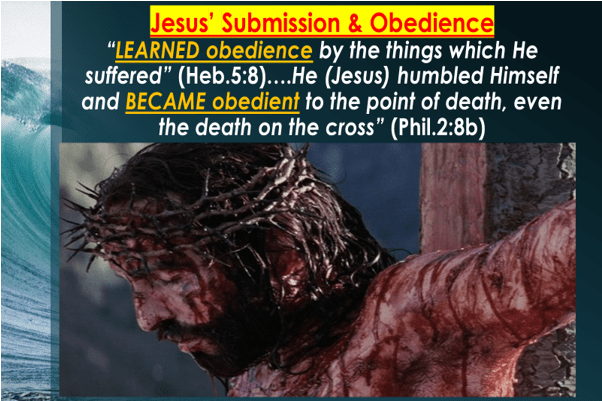
The Reverential Fear of the LORD (God), is always associated with the spirit of humility, resulting in riches, honour, and life – Proverbs 22:4 “By humility and the fear of the LORD are riches, and honour, and life.” And also, the Individual Believer’s expectation would be fulfilled – Proverbs 23:18b “And thine expectation shall not be cut off.” Jesus’ submission & obedience, is God’s Assurance to us.

Summary

We should remember God’s Seven-fold Promises ({1} God’s Wisdom; {2} God’s Cleanses; {3} God’s Guidance & Prosperity; {4} Long Life; {5} God’s Confidence; {6} Life & Satisfaction; {7} Futured Secured) are the result of the Reverential Fear of the LORD (God). The Reverential Fear of the LORD (God) should be taught, and should be the essential Character of the Church of Jesus Christ:

Teaches – The Reverential Fear of the LORD (God) can be taught – Psalm 34:11 “Come….I will teach you the fear of the LORD.” The Leaders of the Church need to study and explain both the concept and the application of the Reverential Fear of the LORD (God) to their people (Psalm 78:1-7). The Principles in Psalm 78:1-7 applies to the home, the Church, and is Intergenerational.

Warns – The Individual Believer or the Church who refuses the Reverential Fear of the LORD (God) will be at a disadvantage, as God’s warns: “I (God) also will laugh at your calamity; I will mock when your fear cometh; when your fear cometh as desolation, and your destruction cometh as a whirlwind; when distress and anguish cometh upon you. Then shall they call upon Me, but I will not answer; they shall seek Me early, but they shall not find Me; for that they hated knowledge and did not choose the fear of the LORD; they would none of My counsel; they despised all My reproof. Therefore, shall they eat of the fruit of their own way, and be filled with their own devices. For the turning away of the simple shall slay them. But whoso hearkened unto Me shall dwell safely and shall be quiet from fear of evil.” (Proverbs 1:26-33, KJV)

The Fear of The LORD (Overview) (Job 28:28 & Psalm 111:10)

1.0 The Statement

We, the End-Times-Generation is living in “the Perilous Times” (2Timothy 3:1), characterised by People who are: “Lovers of Themselves; Lovers of Money; and Lovers of Pleasure” (2Timothy 3:2, 4), with little respect for Authority (“Disobedient to Parents, unthankful and unholy” – 2Timothy 3:2b), and with no reverential Fear of the LORD (God).

God’s Word teaches that we are to: “Obey those who rule over us, and be submissive, for they (Leaders) watch out for our souls, as those who must give account (to God). Let them (the Leaders) do so with joy and not with grief, for that would be unprofitable to us” (Hebrews 13:17).

It is important to teach the Members of the Church and our Children to honour and be submissive to Authority (Home, Office, State {Country}, Church, etc); in so doing, we create an environment that our Children learned to have Reverential Fear of the LORD (God), for their benefits:

  • Job 28:28b “Behold, the Fear of the LORD, that is wisdom, and to depart from evil is understanding.”
  • Psalm 111:10 “The Fear of the LORD is the beginning of wisdom; a good understanding has all those who do His commandments. His praise endures forever.”

The Reverential Fear of the LORD (God) always begins with the Individual Believer respect for Authority (Home, Office, State {Country}, Church, etc). Thus, the Individual Believer respect for Authority (Home, Office, State {Country}, Church, etc) is never divorced from the Reverential Fear of the LORD (God).

The Success of the “Home, Office, State {Country}, Church, etc” is closely associated with the teaching of our Children on the respect of Authority and the Reverential Fear of the LORD (God). No single aspect of the Christian walk carries with it greater of God’s Promise of blessings than the Individual Believer who walks in Reverential Fear of the LORD (God):

  • Job 28:28b “Behold, the Fear of the LORD, that is Wisdom, and to depart from evil is understanding.”
  • Psalm 111:10 “The Fear of the LORD is the beginning of Wisdom; a good understanding has all those who do His commandments. His praise endures forever.”

1.1 Definition

The Reverential Fear of the LORD (God) is defined as: “An awesome reverence and respect towards God, knowing that God is Merciful, and Gracious, Long-suffering, and full of Compassion, abounding in Goodness and Truth.” (Exodus 33:19 & Exodus 34:6; etc).

1.2 Early Church

Reverential Fear of the LORD (God) was part of the Life of the Early Church – Acts 2:40-43 “And with many other words he (Peter) testified and exhorted them, saying, ‘Be saved from this preserve generation. Then those who gladly received his word were baptised; and that day about three thousand souls were added to them. And they continued steadfastly in the apostles’ doctrine (teaching) and fellowship, in the breaking of bread and in prayers. And fear came upon every soul, and many wonders and signs were done through the Apostles.’”

  • Acts 5:11 “So great fear came upon all the Church and upon all who heard these things.” God’s Judgement on Ananias and Sapphira caused the People to have a healthy Reverential Fear for God.
  • Acts 9:31 “Then had the Churches rest throughout all Judea and Galilee and Samaria and were edified; and walking in the fear of the LORD, and in the comfort of the Holy Spirit, were multiplied.

The Early Church has Five basic features: The Church was at Rest and the Church was edified and multiplied because the Early Church walked in the Reverential Fear of the LORD (God) and in the Comfort of God’s Spirit.  George Barna Research Group released survey results, involving 12 largest Denominations in USA: Only 41% could be classified as “born-again.” Of all the adults surveyed, 41% believed that the Bible was completely accurate. Only 40% believed that Jesus Christ lived a sinless life, while incredibly, only 27% believed Satan was a real being. The survey indicates an alarming situation because these statistics were gathered among Professing Christians and not among the unchurched people. Thus, the End-Times-Generation is drifting from the Anchor of Biblical Truth and the Reverential Fear of the LORD (God).

1.3 Lawlessness

God’s Word warns that in the Last Day, “And because lawlessness will abound, the love (agape-love) of many will grow cold.” (Matthew 24:12). Lawlessness is found in Lucifer (later called: “Satan”) – Ezekiel 28:15, “You were perfect in your ways from the day you were created, till iniquity (lawlessness) was found in you…..You defiled your sanctuaries by the multitude of your iniquities (lawlessness), by your iniquities (lawlessness) of your trading (rakil – tale-bearing);…..” Thus, the “Mystery of Lawlessness” has its origin in Lucifer (Satan); and would come to its full-manifestation in the Lawless One (Antichrist) – 2Thessalonians 2:7-9 “For the mystery of lawlessness is already at work;……And then the Lawless One will be revealed,……The coming of the Lawless One is according to the working of Satan, with all power, signs and lying wonders.” Where there is lawlessness there is no respect and submission to authority (in home, Church, and State, etc), and correspondingly no Reverential Fear of the LORD (God). This outworking of Satan is to ensnare and to destroy the Individual Believer and the Church. The Individual Believer or the Church who does not have Reverential Fear of the LORD (God), he (and the Church) would not be fruitful Christian

1.4 What is not Reverential Fear?

Reverential Fear of God, in the mind of most people is wrongly concluded, for several reasons:

1.4.1 Natural Fear

We always associate natural fear with Reverential Fear of the LORD (God), which is not correct; even though natural fear is good as it keeps us from doing foolish things. Natural fear, in dangerous situation, is designed for our preservation. There are various types of natural fear, for example:

  • Claustrophobia fear of heights.
  • Fear of darkness.
  • Fear of crowds. Etc.

1.4.2 Demonic Fear

Demonic fear is not Reverential Fear of the LORD (God), because “God has not given us the spirit of fear” (2Timothy 1:7); demonic fear “has torment” (1John 4:18).  

1.4.3 Religious Fear

Religious fear is not Reverential Fear of the LORD (God) – because “We have not received the spirit of bondage again to fear.” (Romans 8:15). Religious fear is defined in Isaiah 29:13 “Forasmuch as this people draw near Me with their mouth, and with their lips do honour Me, but have removed their heart far from Me, and their fear toward Me is taught by the precept of men.” The Individual Believer with religious fear is shown in 2Timothy 3:5a “Having a form of godliness but denying its power.” Legalism underpinned religious fear.

1.4.4 Fear of Man

Fear of man is not Reverential Fear of the LORD (God), because “the fear of man brings a snare” (Proverbs 29:25). Many people fear men more than the Reverential Fear the LORD (God) – they allowed the faces of men to cause them to be withdrawn and thus, causing them to lose their confidence in God. 

1.4.5 Not to Fear other gods

Although God’s Word teaches that we should not fear idols or other gods, nevertheless, we should not be disrespectful of others’ religions – 2Kings 17:38 “And the Covenant that I have made with you shall not forget; neither shall you fear other gods.”

1.4.6 Not to Fear Calamities

We are not to fear earthly calamities for they signify the near Return of Jesus – Luke 21:25-28 “….men’s hearts failing them for fear….then look up…..”

1.4.7 Not to Fear “Fear”

We are not to fear “Fear,” – Job 15:24 “Trouble and anguish shall make him (the unsaved) afraid,” but the Believer casts all his earthly fears on the Lord Jesus Christ (1Peter 5:7).

The Basic Principle – Whatever an Individual fear the most, he will worship. And if he fears nothing, the tendency is that it would end up in self-worship, because of pride – Pride focuses on self and is a form of “self-worship” Colossians 2:23b (NIV) “Self-imposed worship with false humility.” Thus, David Prayed: “Unite my heart to fear Your Name” (Psalm 86:11).

1.5 Commanded

The Fear of the LORD is commanded – Deuteronomy 13:4 “You shall walk after the LORD your God, and Fear Him, and Keep His Commandments, and Obey His Voice, and you shall Serve Him, and Cleave unto Him.”

  • 1Peter 2:17 “Honour all men. Love the brotherhood. Fear God. Honour King.”
  • Psalm 22:23 “You that Fear the LORD, praise Him….Glorify Him; and Fear Him.”

Christ’s early Disciples set up a noble example in this matter – Acts 9:31”….and walking in the Fear of the LORD….were multiplied.” Cornelius was the man who Feared God (Acts 10:2). The Fear of the LORD teaches us to live circumspect lives, “Let us cleanse ourselves from all filthiness of the flesh and spirit, perfecting holiness in the Fear of God.” This Godly Fear becomes a powerful motivating force in our lives.

1.6 Reverential Fear of God

Scripture has significant passages on the Reverential Fear of the LORD (God) with His Promises (Job 28:28; Psalm 111:10; Psalm 19:9; Psalm 25:12-14; Proverbs 10:27; Psalm 34:11-15; Proverbs 19:23; Proverbs 22:4; Proverbs 23:17-18; etc). Reverential Fear of the LORD (God) is not religious, legalistic attitude towards God. Of the Sevenfold Nature of the Spirit of the LORD (Isaiah 11:1-3), that rested on Christ, the last aspect is “The Spirit of the Fear of the LORD,” is emphasized, twice, and is the chief characteristic of Christ – He (Christ) has Reverential Fear of God, His Father.  

The Fear of the LORD (Isaiah 11:3a) – “The Spirit of the Fear of the LORD,” is, the deep tap-root of the Jesus’ Character: Fear (Reverence) of God, becoming humble and obedience unto death of the Cross – Philippians 2:6-8 (NIV) “Who (Jesus), being in very nature God, did not consider equality with God something to be grasped, but made Himself nothing, taking the very nature of a Servant, being made in human likeness. And being found in appearance as a man, He humbled Himself and became obedient to death – even death on a cross!”  In fact, “the Spirit of the Fear of the LORD” is of such far-reaching importance that an explanatory clause is appended to indicate its fundamental importance, – “And His delight (“quick understanding”- KJV) shall be in the Fear of the LORD” (Isaiah 11:3a, NIV).

The term “delight” (NIV) carries the implication that “the Fear of the LORD” is fragrant to Jesus, that is, all of Jesus’ desires and actions are in total submission to the Father’s Will: 

  • Hebrews 10:6-7b (KJV) “In burnt offerings and sacrifices for sin Thou hast had no pleasure…….Lo, I come (in the volume of the book it is written of Me) to do Thy will, O God.”
  • Hebrews 10:8b-9b (KJV) “Sacrifice, and offering and burnt offerings, and offering for sin Thou wouldest not, neither hadst pleasure in them, which are offered by the law,…….Lo, I come to do Thy will, O God.”

Such yielding of His (Jesus’) Own Will to the Father’s Will is not burdensome and unpleasant to Jesus, but rather a sheer “delight.” The verb used implies that this attribute constitutes the very purpose that Jesus came.

In studying the life of our Lord Jesus Christ, He consistently claimed that “The Son can do nothing of Himself, but what He seeth the Father does; for what things so ever he doeth these also doeth the Son likewise” (John 5:19, KJV). Jesus is totally submitted and dependent on His Father:

  • Luke 22:42 “Not My will, but Thine, be done.”
  • John 4:34 “My meat is to do the will of Him (Father) that sent Me, and to finish His work.”
  • Hebrews 10:6-7b (KJV) “In burnt offerings and sacrifices for sin Thou hast had no pleasure…….Lo, I come (in the volume of the book it is written of Me) to do Thy will, O God.”
  • Hebrews 10:8b-9b (KJV) “Sacrifice, and offering and burnt offerings, and offering for sin Thou wouldest not, neither hadst pleasure in them, which are offered by the law,…….Lo, I come to do Thy will, O God.”

Psalms 133 – Unity and Anointing (Part 2)

2.0 Dew on Mount Hermon

Psalm 133:3a (KJV) “Like the dew of Hermon, and like the dew that descended upon the mountains of Zion.” – The Second Illustration is the Dew of Mount Hermon upon the Mountain of Zion – Mount Hermon is the highest peak in Israel, located to the extreme North of the Promised Land.  At its slopes the four tributaries of the Jordan River begin. Snowcapped much of the year, it symbolized abundant moisture, God’s Gift to the dry land. The plants survive on the dew for the long, rainless summers of Palestine. Nightly, as the temperature drops, the humility in the air condenses to provide the needed moisture for plants. Its dew is heavy, and it is this heavy dew that also falls upon the mountains surrounding Jerusalem, situated on Mount Zion (Psalm 48:2). Since the dew comes from Heaven, it too is an apt image of God’s Blessing, because the Brethren Dwell together in Unity. 

  1. The Dew typified Holy Spirit in His Reviving Power through the “Life-Giving” Word of God – Deuteronomy 32:2a (NIV) “Let my teaching fall like rain and my Word descend like dew,” God’s Blessing that brings Fruitfulness.
  2. The “Anointing Oil” and the “Dew” – remind us that “Fruitful-Unity” is not something that we “worked up” but that God sends down. According to Delitzsch “Nowhere in the whole country of Israel is so heavy dew perceptible as in the districts near to Hermon.”
  3. This abundant of Dew from Mount Hermon is carried to Zion by the cold current of air sweeping down from the north over Hermon. – Such is the value and Power of “Fruitful-Unity” of the brethren – It is Refreshing, Quickening and Invigorating!!
  4. Dew comes from above and illustrates that “Fruitful-Unity” is from God, that comes upon Zion (the General Assembly of Believers – Hebrews 12:22-23), when brethren dwell together in “Fruitful-Unity!”
  5. When the brethren in the Church dwells together in Unity, the Divine Blessing permeates the Whole Congregation – J.J. Steward Perowne (“Commentary on Psalms”) states: “It is not the refreshing nature of the dew, nor its gentle, all-pervading influence, which is the prominent feature. That which renders it to the poet’s eye so striking an image of brotherly concord, is the fact that it falls alike on both Mountain.”
  6. The “Fruitful-Unity” comes from God’s Spirit, flowing over us like Oil, and the Heavy Dew (Reviving Power & Life-Giving of the Holy Spirit), descending upon us, bringing God’s Blessing of Life
  7. Our Unity comes from the Spirit of God flowing over us like Anointing Oil, and the Heavenly Dew descending upon us, bringing God’s Blessing of Life – Eternal Life, forever and ever. It is only God’s Spirit and His Promise of Eternal Life that will break down the sin in our hearts, crucifying our selfishness, making us one. As Psalm 133:1 says, “Behold, how good and pleasant it is.” Now let us live in it!!

2.1 Blessing of Life

Psalm 133:3b (KJV) “For there the LORD commanded the blessing, even life for evermore.” – Two illustrations (Psalm 133:2-3) –  the Desired Unity is both Fragrant as Oil; and Refreshing as Dew.

  1. The quality of both the Oil and the Dew is pervasive (all-encompassing) and diffusive (widely spread).
  2. The Oil does not rest on head, but flows down upon Aaron’s beard, and to the collar; and the Dew does not remain on Hermon but flows down on the Mountain of Zion.
  3. The Holy Spirit Who is both the “Oil” (Isaiah 61:1-3; Psalm 45:7; Hebrews 1:9), and the “Dew” (Psalm 72:6; Hosea 6:3; 14:5), possesses and is possessed by the whole Church of God, overleaping all Racial, Social, Cultural, and Sectarian Distinction – the Life of the Holy Spirit is imparted, so the Church has “Life for Evermore” (Psalm 133:3). True Unity is an Organism, not an Organisation (Ephesians 4:11-16).
  4. The Strong Accent on God’s Initiative – “The LORD commanded the blessing.”  What is God’s Gift – “Life for Evermore!” Unity and Brotherly Harmony released God’s Blessing – “God’s Life.”  The expression: “Life for Evermore,” is not found anywhere in the Old Testament except in Daniel 12:2.
  5. “Fruitful-Unity” not only gives life to the Individual and the Church but also makes the Individual/Church “a Living Example” to the World and helps draw others to Christ.
  6. “Fruitful-Unity” Renews and Revitalize Ministry because there is less tension to sap our energy.

Thus, it is important to be connected to each other in the Body of Christ (Ephesians 4:16) and allowed the Holy Spirit to produce the “Fruitful-Unity” and “Fruitful-Anointing,” which will result in Personal as well as Corporate Success – The Individual and the Church will experience the “Refreshing Presence of the LORD” (Acts 3:19) – “the Dew” of the Holy Spirit (Psalm 133:3a).

Psalms 133 – Unity and Anointing (Part 1)

1.0 The Text

Psalm 133:1-3 (KJV) “Behold, how good and how pleasant it is for brethren to dwell together in unity! It is like the precious ointment upon the head, that ran down upon the beard, even Aaron’s beard; that went down to the skirts of his garments, like the dew of Hermon, and like the dew that descended upon the mountains of Zion; for there the LORD commanded the blessing, even life for evermore.”

1.1 Psalm 133

Psalm 133 is the 14th Psalm of the 15 “Songs of Decrees.” Most Bible Expositors agreed that Psalm 133 is a Psalm of David. Of three verses extols the pleasantness and the preciousness of the Unity of Brethren. The lessons of Psalm 133 are both appropriate and relevant to Believer/Church, today, for the Unity, which is taught, is an essential condition for those who Worship together “in spirit and in truth” (John 4:24). The conditions described in Psalm 133 are necessary for God’s Anointing and Blessing to the Individual/Church. The real problem of the Church is the Leaders and Members do not understand and experience “brokenness:”

  • Isaiah 66:2b (KJV) “But to this man will I look, even to him that is poor and of a contrite spirit, and trembles at My Word.”
  • Psalm 34:18 (KJV) “The LORD is near unto those who are of a broken heart, and saveth such as he of a contrite spirit.”
  • Psalm 51:17 (KJV) “The sacrifices of God are a broken spirit; a broken and a contrite heart, O God, Thou wilt not despise.”
  • Isaiah 57:15 (KJV) “For thus saith the high and lofty One who inhabiteth eternity, whose name is Holy; I dwell in the high and lofty place, with him also who is f a contrite and humble spirit, to revive the spirit of the humble and to revive the heart of the contrite ones.”

Psalm 133 is about Unity among Believers; Commentators identify it as a Wisdom Psalm. Psalm 133 is the occasion of the uniting of all the Tribes of Israel, after seven or eight years of Civil War (2Samuel 5:1; 1Chronicles 12:38-40) – “Behold, how good and how pleasant it is for brethren to dwell together in unity.” It thought runs from the Definition of Unity (Psalm 133:1) to a Description of Unity (Psalm 133:2-3). Psalm 133 is a literary gem. The word “good” (towb) occurs twice:

  • Brotherly Unity is “Good” (Psalm 133:1).
  • And the flowing oil is “Good” (Psalm 133:2).  

As or like occurs twice: (a) like the good oil (Psalm 133:2); (b) and like the dew of Hermon (Psalm 133:3). Upon occurs four times: (a) upon the head; (b) upon the beard; (c) upon the skirts; (d) upon the mountains (Psalm 133:2-3). Flowing down (yárad) occurs three times, translates ran down, went down, and descended. Beard occurs twice (Psalm 133:2).

Dr. Dwight L. Moody preached a Sermon in which he noted that Christians in his day wanted influence. Instead, Moody said, what they need is Power, the Power of the Holy Spirit. This is the Power that we need to tear down the walls, freeing us to love one another again. This is the Power that we need, and it cannot be elected or bought or sold. In fact, when one man tried to buy it long ago, the Apostle Peter replied, “To hell with you and your money” (Acts 8:20, J.B. Philips). 

1.2 Unity Defined

Psalm 133:1 (KJV) “Behold how good and how pleasant it is for brethren to dwell together in unity!” The premise is stated. The word “good” means fulfilling or perfect. The word “pleasant” means “delightful, lovely and beautiful,” denotes our response to being together.

  • The word “pleasant” is used in the Hebrew for the harmony of music.
  • The word “pleasant” is used in the Hebrew for the pleasantness of the corn field, when the field is filled with corns.
  • The word “pleasant” is used in the Hebrew for the sweetness of honey.

A thing or situation may be good without being pleasant or pleasant without being good. But if a pleasant thing is to be good, it must be good before it is pleasant. Fraternal concord (unity) is good in its source, nature, and effects, and pleasant to God, to us, and to others.

This Unity is not Catholicity, or Ecumenicalism or Denominational. When the New Testament says: “the dwelling of brethren also together in unity,” it speaks of the “Unity of the Faith, and the Maturity to the Full Stature of Christ” (Ephesians 4:13) brought about by the Fivefold Ministry Gift of the Ascended Christ, of: “Apostles, Prophets, Evangelists, Pastors and Teachers” (Ephesians 4:11).

The Unity declared in Psalm 133 is possible because of “the Promise of Blessing” through the Messiah’s Reign, which came at the End of Psalm 132.

The first step to Unity is “brethren dwell together” – The idea of dwelling together should probably not be taken literally. It is doubtful that the Psalmist is referring to a family living under one roof (Deuteronomy 25:5), especially in the light of Psalm 133:2, 3, we take David to be addressing the value and benefit of Spiritual Unity for God’s people.

The emphasis is not outward casual acquaintance but “brotherly love” (Hebrews 13:1) – both Individual and Corporate responsibility to “keep the unity of the Spirit in the bond of peace” (Ephesians 4:3b). True Unity is beneficial – the Fellowship is a joy for everyone, and that joy is rooted in a mutual commitment to working out difficulties and refining relationships.   Unity gives us a sense of purpose and completion that resulted in “Goodness and Pleasantness.”

1.2.1 Unity & Anointing –

The word “good” in Psalm 133:1 and the word “precious” in Psalm 133:2 are the same Hebrew word: “towb” – by using this one Hebrew word “towb” to describe both “Unity” (Psalm 133:1) and the “Anointing Oil” (Psalm 133:2) – God’s Word indicates that Unity and Anointing are inseparable and are linked – Unity and Anointing functioned together, creating the Great Synergy. 

1.2.2 Fruitfulness –

The Hebrew word “towb” which means “good” (Psalm 133:1) and “precious” (Psalm 133:2) also means “fruitfulness” – thus, the Unity spoken of in Psalm 133 is “Fruit-Producing Unity” (Psalm 133:1), and not just agreement. This Unity results in “Fruit-Producing Anointing” (Psalm 133:2). God’s Word teaches that “Fruitful-Unity,” not agreement, produces “Fruitful-Anointing” of the Holy Spirit.

1.2.3 Pleasant –

The word “pleasant” (Psalm 133:1) means “delightful, lovely and beautiful,” denotes our response to being together – it denotes the “enjoyment of each-other-company” – The word “pleasant” is used in the Hebrew for “the harmony of music; pleasantness of the corn field, when the field is filled with corns; the sweetness of honey.” Thus, when we are in unity, our relationship with one another is: “Harmonious, Pleasant and Sweet.”

1.2.4 Priestly Ministry –

Psalm 133:2b indicates Aaron in his Priestly Function, which included the Ministry of Intercession – thus, the dynamic of the “Fruitful-Unity” resulting in the “Fruitful-Anointing” that produces Effective Intercession. This releases the Spiritual Power and Authority to the Body of Christ, by the Great High Priest, the Lord Jesus Christ. 

1.3 Unity Explained

Psalm 133:2-3a (KJV) “It is like the precious ointment upon the head, that ran down upon the beard, even Aaron’s beard; that went down to the skirts of his garments. Like the dew of Hermon, and like the dew that descended upon the mountains of Zion.”  The emphasis on Unity is upon the Pattern of the Hebrew’s life, in which the family and tribal live in harmony with each other. David describes the Pleasantness of Unity with two poetic images. The first is “the Anointing Oil’ of the High Priests, and the second is the “Dew of Mount Hermon:”

1.3.1 Aaron’s Anointing

Psalm 133:2 (KJV) “It is like the precious ointment upon the head, that ran down upon the beard, even Aaron’s beard; that went down to the skirts of his garments.” The first illustration is the “Anointing oil” – specifically the Anointing of Aaron, the High Priest:

  1. “It is like the precious ointment upon the head, that ran down upon the beard, even Aaron’s beard; that went down to the skirts of his garments.” The word rendered “precious” here means “good.” The “Anointing Oil” is the sacred perfumed oil used for Anointing the High Priest (Exodus 30:23). It is poured upon Aaron’s head (Exodus 30:22-33) when consecrated to office. The oil is a type of the Holy Spirit in His Sanctifying Power. The illustration given here is not only on the fragrance of the oil (precious = good), and its abundance. The oil does not remain upon the head but flowed downward, thus sanctifying the whole body. All the Members shared the Blessing.
  2. This Anointing, which followed a ritual bath, set Aaron apart. There is reason to believe from the Anointing of David with oil and the immediate coming of the Holy Spirit upon him, that the oil represented the Blessing and Presence of God’s Spirit (1Samuel 16:13). This would also account for the singular description of the oil flowing down Aaron’s beard and “running down on the edge” (literally, “mouth”) of his garments.”  Thus, the Unity of the Brethren is like Aaron, covered with the Oil of the Spirit. In the New Testament, the Holy Spirit is the Spirit of Unity (Ephesians 4:3). It is the Spirit who makes us one, levelling the walls that stand between us, as He (Spirit) Authors God’s New Creation in us and Anoints us with Himself (2Corinthians 1:21-22).
  3. The Holy Oil with which Aaron was Anointed at his Consecration into the Priesthood is a sweet-smelling compound of myrrh, cinnamon, calamus, and cassia, in olive oil. It is a unique composition, never to be imitated, and to be used for the Anointing of the High Priest and the Vessels of the Tabernacle (Exodus 30:22-33). The interpretation of the five ingredients is taken from Song of Solomon 4:12-14, which lists the nine plants and spices in the garden (heart) of the Bride of Christ, and Galatians 5:22-23, which enumerates the Nine Fruit of the Spirit that the Spirit of God cultivates in the garden of our hearts:
    • Myrrh represents “Meekness” – “Meekness” is the strength of character, a virtue that enables a person not to retaliate when offended.
    • Cinnamon typifies “Goodness” – “Goodness” is a quality of being good. The person harness himself from doing evil.
    • Calamus represents “Gentleness” – “Gentleness” is a precious virtue (1Thessalonians 2:7; Psalm 18:35; 2Timothy 2:24).
    • Cassia represents “Humility” – “Humility” is a must in order to have unity with others, because unless we have the humility of heart to prefer others before ourselves, we tend to strife (Philippians 2:3).
    • Olive Oil represents “Peace” (Genesis 8:11) – The olive branch is an International Symbol of Peace. We have peace with people around us, not having any hard feelings or offenses toward others.
    • In order to experience true Unity of the brethren, to its fullest extent, these five virtues (“Meekness, Goodness, Gentleness, Humility, and Peace”) must be worked out in every Believer’s life. Therefore, let the Members of the Body of Christ seek to cultivate these Five Virtues (Meekness, Goodness, Gentleness, Humility and Peace) of the Anointing Oil. The “Anointing Oil” is therefore very precious, just like the Unity of the Brethren!!
  4. Anointing is done at God’s Direction (Exodus 30:22-33), in His Ways, with His Authority, and any Blessing it conferred is from God. In Psalm 133:2 the threefold repetition: “running down,” “running down,” and “down” – the Hebrew uses the same verb each time – emphasises that the Blessing of Aaron’s Anointing is from above, that is, from God.  The Unity of the Brethren is compared to the Precious Anointing Oil that is poured on Aaron’s head and flowed down his whole body to the bottom of his garments. In other words, he (Aaron) is completely covered with the Anointing Oil, which represents the Anointing (James 5:4). The Lord Jesus Christ was Anointed with the Holy Spirit Without Measure (John 3:34). The Brethren who dwell in Unity will experience this Great Anointing both Individually and Corporately!
  5. The Anointing Oil of Aaron is the Blessing from God to him, but he (Aaron) is the High Priest, which mean that he in turn blessed others. The description of the Anointing Oil running down from his head-to the beard-to the skirts, suggests the blessing of Unity flows from one person to another, in the Body of Christ. 
  6. The Anointing Oil is the symbol of the Holy Spirit in His Sanctifying Power. The illustration given here is not only on the Fragrance of the Oil (Precious = Good), and its abundance but that the Anointing Oil does not remained upon the head but flowed downward, thus Sanctifying the whole Body of Christ. All the Members shared in the Anointing!!
  7. God’s Anointing breaks the yoke – Isaiah 10:27 (KJV) “The yoke shall be destroyed because of the anointing” – the yoke of division, strife in the Church will be broken when God’s Anointing of the Holy Spirit flows.

To be continued….. Stay Tuned…..